Why brand matters more than you think.
Written by Andrew Wynne, Head of Design, Forward NPD
When businesses set out to create a new product, the instinct is often to dive straight into development. After all, ideas feel exciting and bringing them to life seems like the logical next step. But here’s the truth: without a strong brand foundation, even the most innovative product can struggle to find its place in the market.
Build the brand, then the product
At Forward NPD, we are often approached with new product development requests along the lines of: “Here’s our idea – can you help produce it?” While this is a natural first step, it’s not the most strategic one. Too often, there is little clarity about the product’s intentions and how it will find its place in the market. Fundamentally, the missing piece is consideration of the “Brand”.
The most successful teams, companies and organisations don’t just develop products – they build brands. And a strong brand provides the foundation for everything else. ‘Brand’ is not advertising, although many confuse the two. Advertising is a tool. Your brand is the ethos of your business; the values, vision and identity that underpin your products and services. Although it may feel early to discuss brand, it is essential for long-term success – and critical if you truly want to triumph.
Start with research, not production
Before jumping into product development, take a step back and begin with research. The following strategic areas will help you to define your brand identity, shape your product design, and help you build a business model for market entry.
Research the following:
- Your target audience – who are they, what do they value?
- Your target market – where does your idea fit?
- Competitors – what are they doing, and what can you offer that’s different?
From this foundation, define your brand values and place them at the forefront. These values should guide every decision you make. They influence your brand identity, its culture, and how you want it to be perceived by the public. For example, a brand may prioritise sustainability as a core principle or might aim to be recognised as the ultimate in luxury at every touch-point.
Once your brand identity is clear, evaluating potential products becomes far easier. You’ll understand where to position them, how they fit within a portfolio, and which ideas to prioritise.
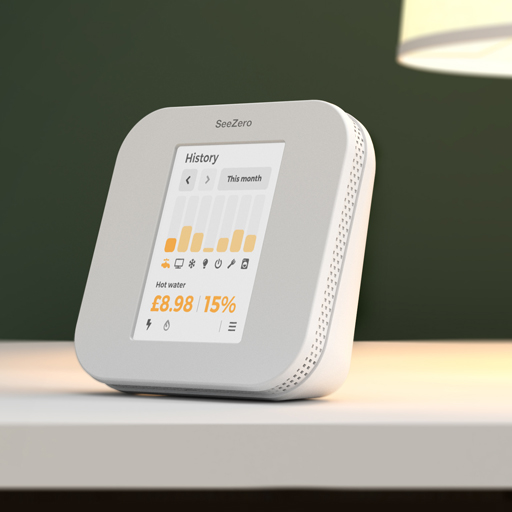
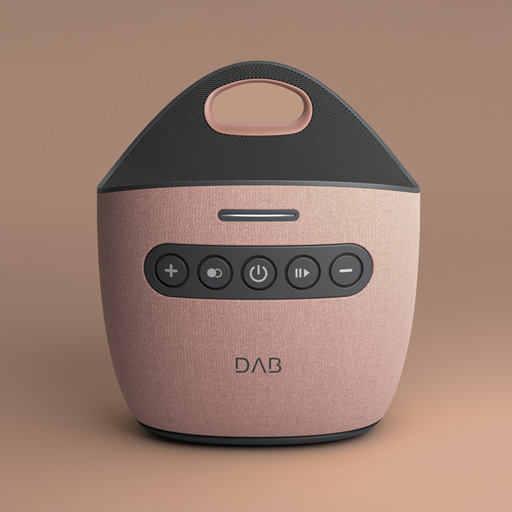
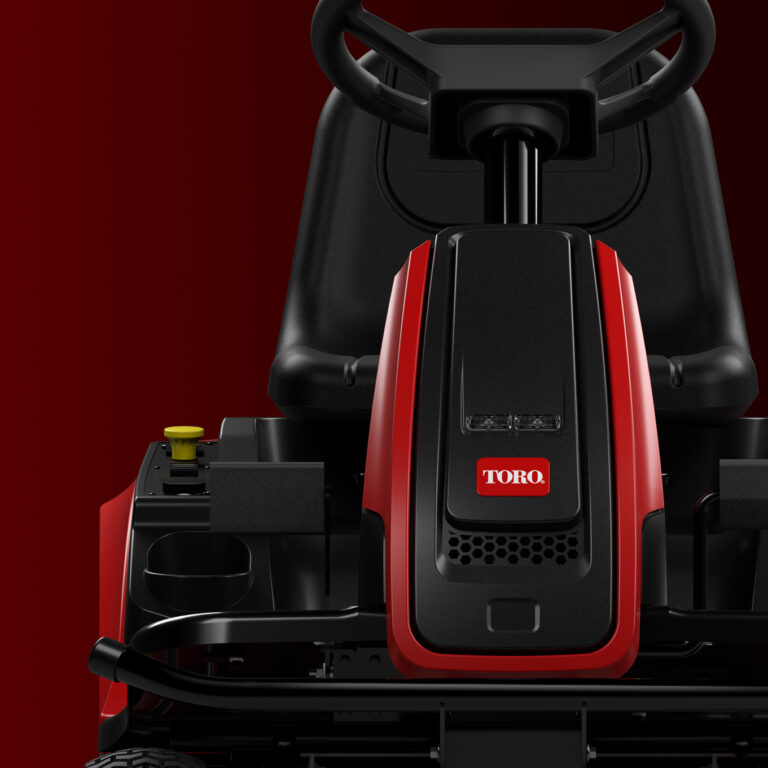
Design language: the bridge between brand and product
Once your brand identity is defined, the next step is to focus on your design principles. Turning an idea into a tangible product requires a clear design language and guiding principles. These should cover:
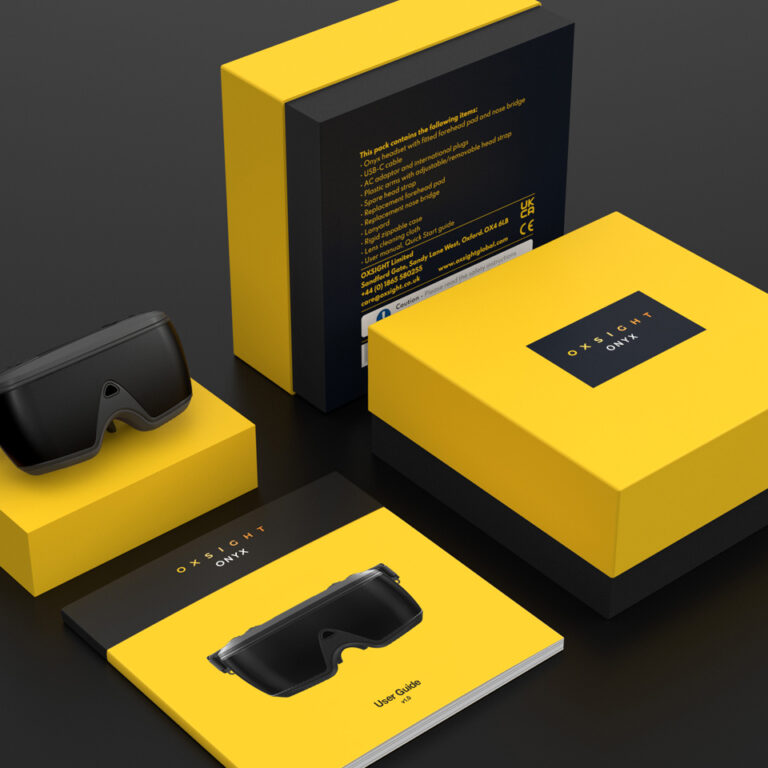
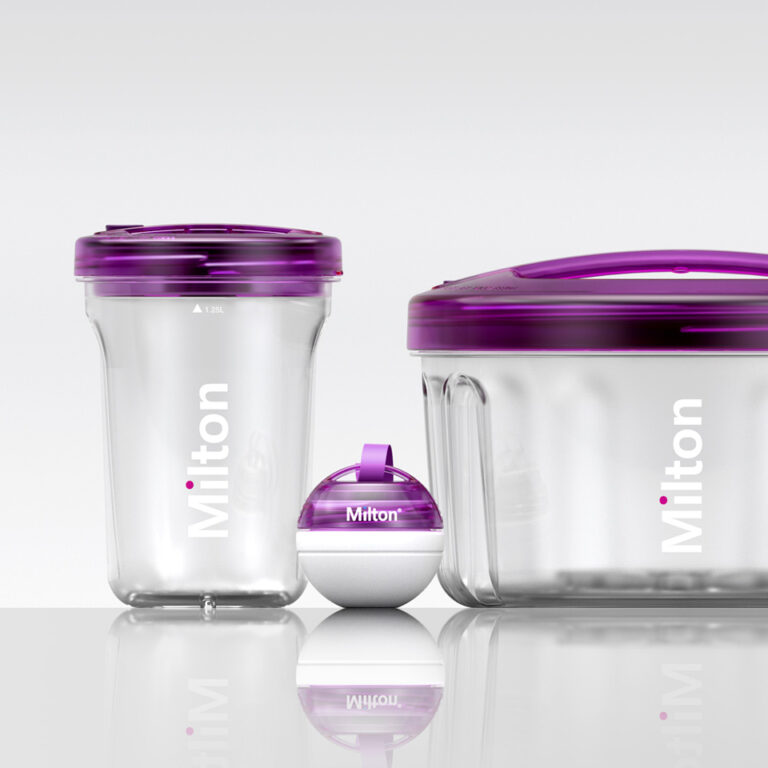
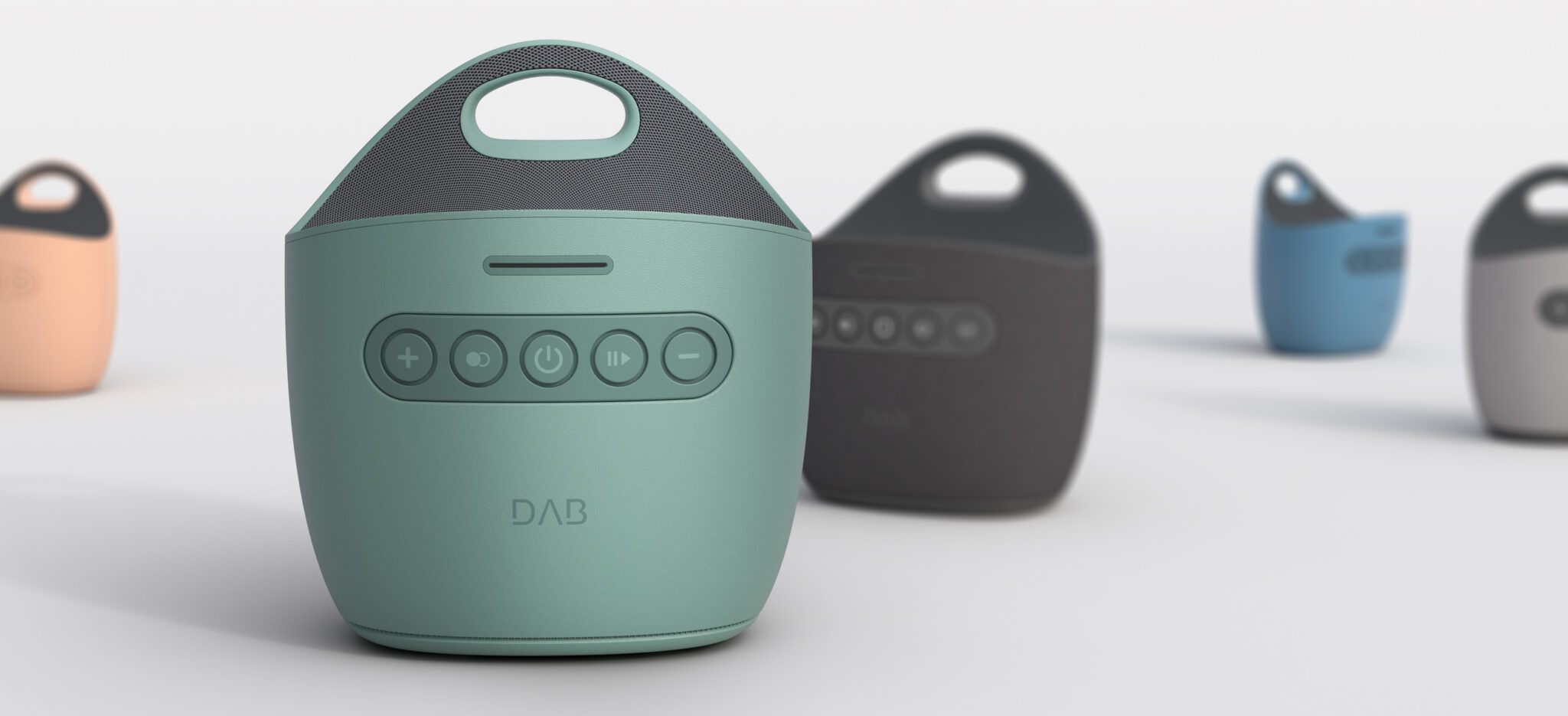
- Visual elements – logos, colours, materials, and finishes. All these details need careful attention, as this is often the first interaction a consumer has with the brand.
- Product form and usability – signature shapes, proportions and ratios, UX buttons, interface navigation, and more.
- Consistency – ensuring every attribute communicates the same message.
Great design is often intangible. Consumers rarely articulate why something feels right – it simply does. That’s the magic of good design: subtle yet powerful. Every detail, from material choice to user experience, signals care and quality. These signals build trust, loyalty, and emotional connection.
If you’d like to explore the power of brand further – whether you’re looking to strengthen your product proposition, test ideas before scaling, or enhance the next generation of products – contact our team today for an initial discussion.
Our design team offer the following services to support you and your team:
- Brand values & positioning – define what the brand stands for, and how you want it to be perceived; clarify purpose, values, market intent, and long-term goals.
-
Audience & market insights – understand user behaviour, purchase drivers, unmet needs, and adjacent opportunities.
- Competitive landscape – identify active players, market noise, and genuine gaps.
- Product-brand alignment – assessment of product ideas against the brand framework.
- Prototype-based validation – test brand cues with visual prototypes, low-fidelity models, or mock-ups to ensure user understanding.
- Design language development – establish form, interaction cues, materials, colour schemes, and finish characteristics.
- Implementation roadmap – map out how the brand will be embedded product development, engineering, packaging, digital touchpoints, and after-sales support.
Building a brand isn’t a luxury; it’s a necessity. It’s what transforms ideas into lasting success. So, before rushing into production, pause. Define your brand. Research deeply. Refine relentlessly. Because when your brand and product work in harmony, customers don’t just buy – they believe.
How can we help you?
Call us on +44 1223 236 262, or fill in the contact form.
They proved a worthy partner in supporting Nujira at a critical stage in the development of our leading-edge power amplification technology for the cellular infrastructure market. Their experience and maturity of approach has given us the confidence to entrust them with a range of tasks that were integral to our early-stage development.
They have been a valuable addition to the Xaar engineering team. They have allowed our engineers to remain focused on core developments and at the same time giving us the confidence that we can take on a greater developmental roadmap whilst retaining full intellectual ownership of all our product designs.
They were able to hit the ground running and, using their considerable skills and experience in Bluetooth product development, was able to quickly bring Securecom to a point where we were able to demonstrate a complete solution. As a result, we have asked Fen to continue to support Securecom towards Bluetooth Qualification and full production.
They have impressed us with how they have created a solution that has met both EMT’s needs of integration with our existing infrastructure and way of working, and provided a high quality feature enhancement to our product range.
Their skills and experience were a key factor in selecting them as a development partner. Their ability to de-risk the design process was a significant benefit to us during the product development.
Their engineers have done an excellent job in creating a sophisticated, flagship product that outperforms the competition with respect to price/performance ratio. The development methodology is mature and leads to qualitatively solid software, while their approach has been always persistent and professional.